

'Alien: Earth' Is the Big Show We've Been Waiting For
Go ahead and upload my consciousness to robot body, I don't even care anymore

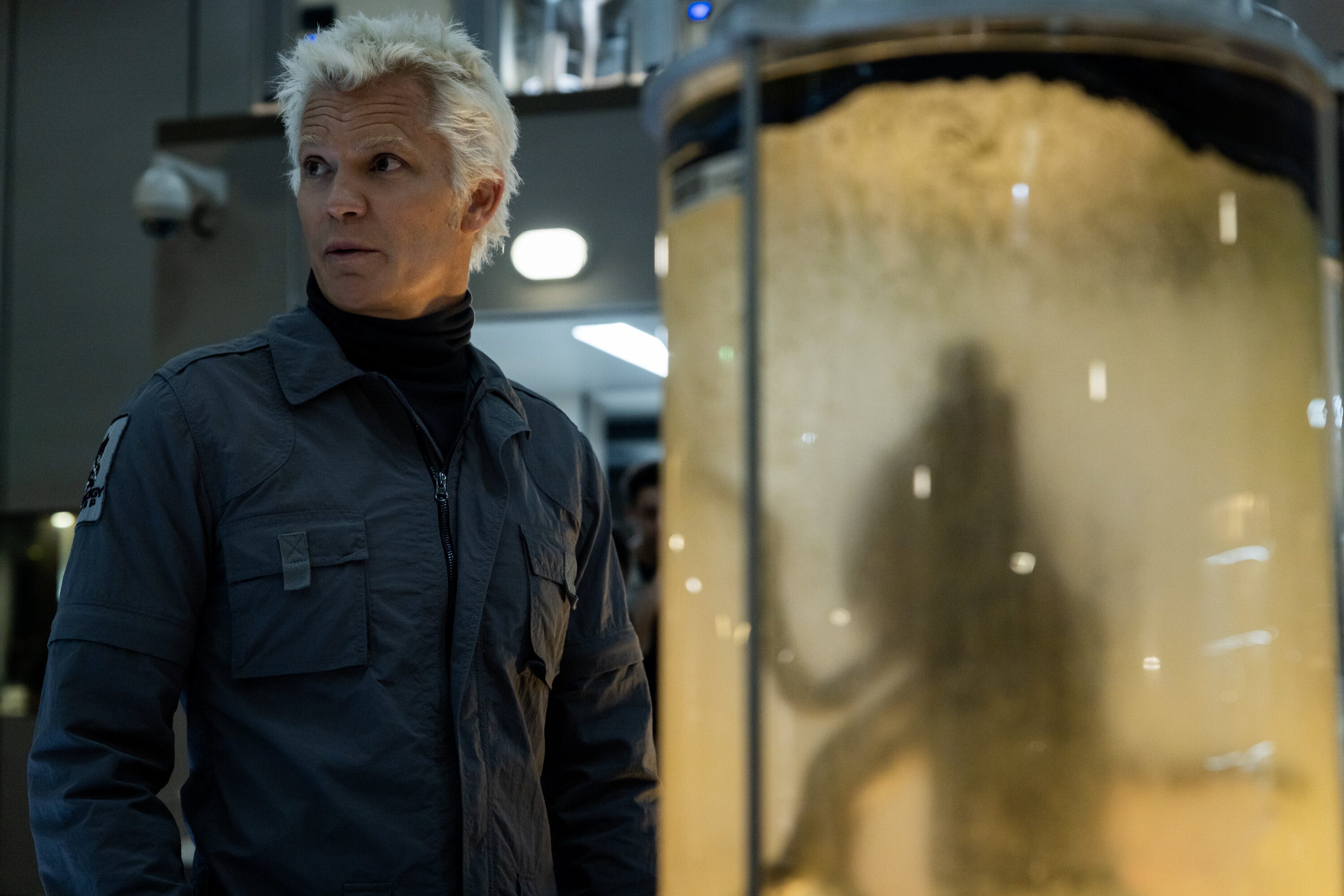
I am not an Alien guy. I’ve seen Alien and Aliens and liked them both well enough, but they were not formative movies for me. I’ve also seen Prometheus, a movie so braindead it still makes me mad when I think about it more than a decade later. I have not seen any of the other movies, and I lack much of a desire to seek them out, though I do think Alien vs. Predator’s tagline is the best there ever was — “Whoever wins, we lose.” So true.
I have no particular loyalty to the franchise nor aversion to it, which kind of makes me the perfect viewer for Alien: Earth, FX’s new sci-fi series that’s the first Alien TV show. I am open to anything, as long as it’s good.
The show’s potential to be really good — along with a general dearth of big shows this summer — is what drew me to Alien: Earth over any knowledge of xenomorph mythology. The FX brand means quality, increasingly even more than HBO’s does. FX has remained resolutely focused on making shows that are identifiably “FX shows,” which means they have a distinct authorial point of view no matter the tone or genre, which is a quality HBO has lost a bit in recent years. In the battle of prestige mega-shows, FX is winning.
Alien: Earth is the biggest test for the FX brand yet. Shogun proved that FX could scale up in scope and still deliver something excellent. Alien: Earth has to keep that scope and work within the IP parameters of a 46-year-old franchise that already has nine movies and be accessible to casual fans who might not have even seen Alien. No pressure.
I can’t really speak to how Alien fans will feel about it, but I can definitely vouch for its quality. Alien: Earth is the best possible version of IP-derived brand of prestige TV. It’s great on its own terms, a well-plotted, well-acted sci-fi action series with top-tier production value.
The series was developed by Fargo series mastermind Noah Hawley, in his first non-Fargo project since Legion, which ran from 2017 to 2019. Legion, a Marvel-adjacent FX show based on an X-Men character, is one of the most confusing shows I’ve ever seen. Twin Peaks: The Return levels of obfuscation. It was admirably bold of Hawley and FX to make such a challenging and ambitious superhero show, but it never clicked for me because it was so narratively impenetrable that it became frustrating rather than beguiling. The show ran for three seasons, but it never became very popular. In the intervening years, Hawley and FX seem to have decided they want (need) to make a hit, so Alien: Earth is much more accessible.
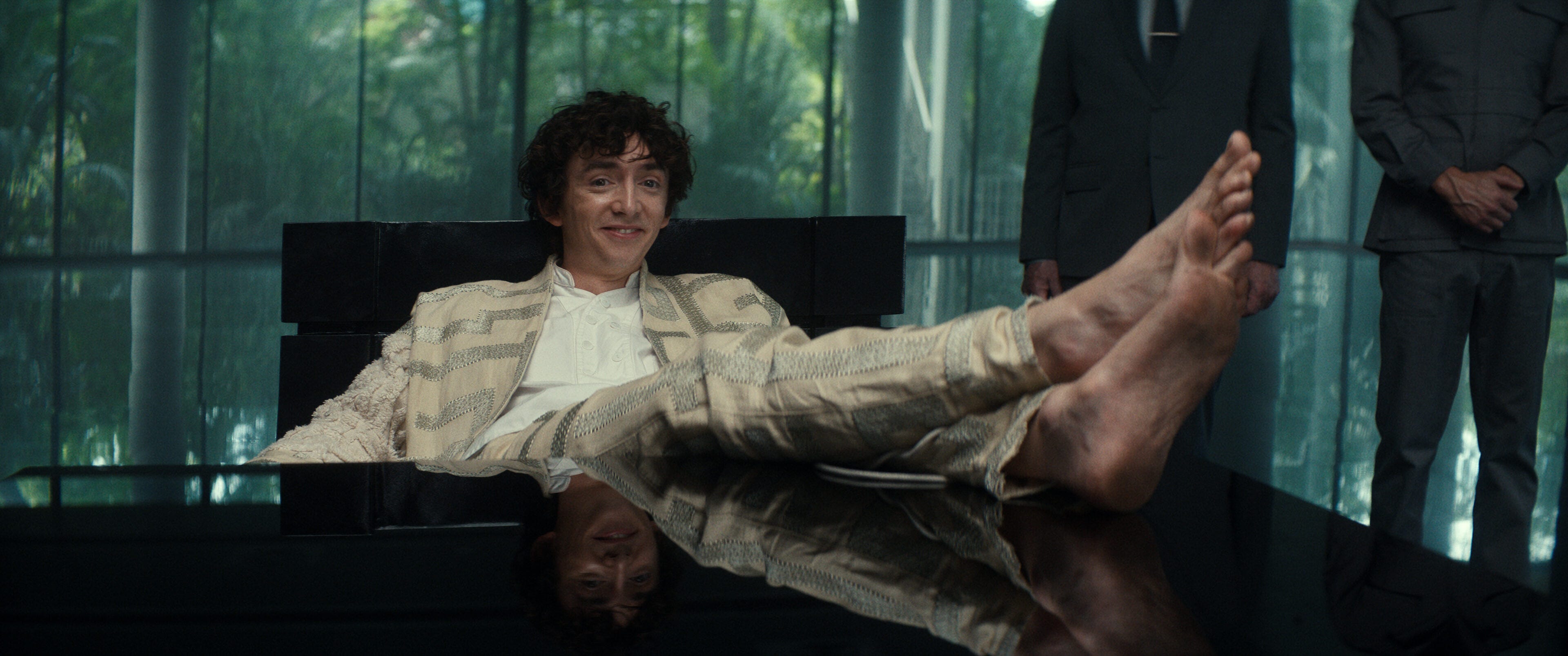
The plot of A:E is pretty simple to describe: in the future, there are no governments, and five corporations rule the world. One of them, Prodigy, is run by tech genius Boy Kavalier (Samuel Blenkin, who previously appeared on FX in Atlanta Season 3 as the kid who steals Paper Boi’s phone, one of the best out-of-nowhere guest star performances I’ve ever seen). Kavalier has developed the technology to download a human being’s consciousness into a humanoid robot body. They’re called hybrids. He created the first hybrids using terminally ill children, because children’s minds are more pliable and can make the transition better. They have the minds of children but adult-shaped, superpowered bodies and computer-like learning abilities.
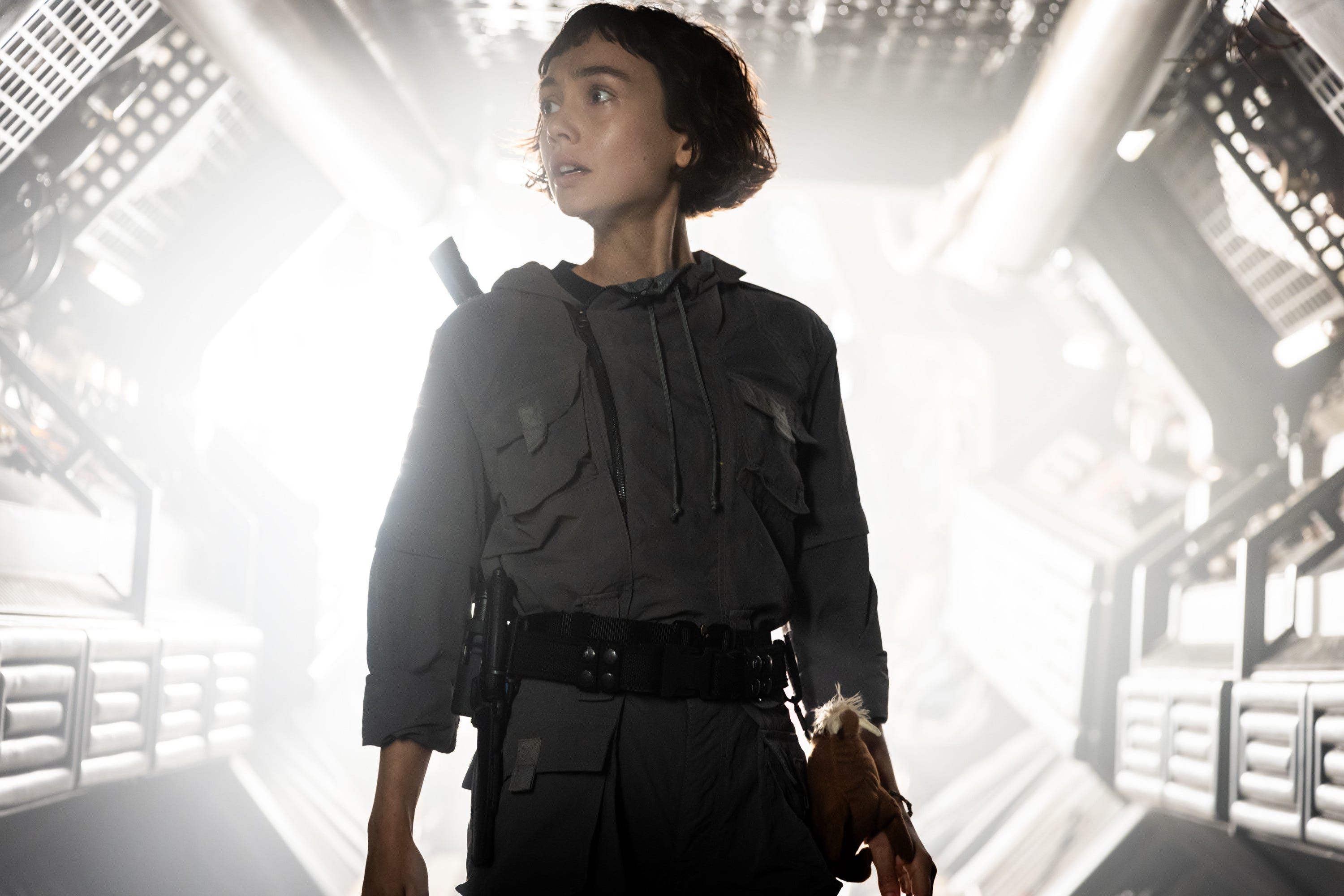
The first test subject he created was Wendy (Sydney Chandler, who has the type of big eyes some actors have that give them an advantage in being able to communicate using just their peepers). She is the leader of the group of robo-children named after the Lost Boys from Peter Pan.
Wendy — or at least the human girl Wendy used to be — has a brother named Joe Hermit (Alex Lawther, who wrote the manifesto on Andor) who works as a medic in Prodigy’s army. He thinks she’s dead. She watches him on surveillance cameras and longs to reconnect.
When a research spaceship carrying various highly dangerous alien specimens belonging to the rival Weyland-Yutani corporation crash-lands into Prodigy’s capital city (formerly known as Bangkok), Wendy sees an opportunity to meet her brother, while Kavalier sees an opportunity to test his hybrids in the field as they capture the escaped aliens. Wendy finds herself torn between her human memories and emotions and her growing awareness that she’s something much more than human. Meanwhile, the aliens pose the threat you’d expect them to pose. They’re all trying to eat people or lay eggs in their face and burst out of their chest or — and this is a new one — pop their eye out of its socket and take control of their brain.
The “What makes a robot human?” question is a common sci-fi theme to the point of cliche, but it’s done so tastefully here that it doesn’t feel stale. The theme of a dangerous, free-willed superintelligence created by humans that has the potential to render humans obsolete but still gets developed because powerful corporate leaders want it is very timely. As demonstrated by Fargo’s use of the financial crisis, corrupt, misogynistic officials, and other pressing real-world issues, Hawley has a knack for integrating topical themes into his work in an unforced way. Kavalier has the sinister world-conquering ambition of Elon Musk and the boyish arrogance (and curly mane) of crypto-fraudster Sam Bankman-Fried, but he’s not a thinly veiled version of them. Hawley’s not trying to be cheesily “it’s about aliens, but it’s really about our world” about it, but he does imagine what the world would look like if our tech overlords really did completely take over. It would be a hypercapitalist dystopia where ownership of human consciousness is another market to corner. You think billionaires have too much power now? Wait until they’re trillionaires.
Hawley balances the themes with a crackling plot that manages to be smart without being overly clever or resorting to artificially withholding information to force a mystery. Morrow (Babou Ceesay), a cyborg who works as the security officer on the ship that crashes into Prodigy territory, has intriguingly opaque motivations that made me want to keep watching just so I could know what his deal was. Plot threads come together late in the season in an elegant way. The cause-and-effect math adds up. The plot is not difficult to follow, and things that happen will not be very surprising if you’re paying attention, but they are satisfying in the way a well-told story always is. The writing rises to the level of the money on the screen, which usually isn’t the case. In the past year, Shogun was the only other mega-production that was written as well as it looked.
That’s a roundabout way of saying Alien: Earth looks fantastic. All the departments are operating at such a high level that my impulse here is to just start congratulating the craftspeople: Awesome job, production designers Andy Nicholson and Jason Knox-Johnston, the sets are so cool. Shoutout to the creature team, Sarinnaree “Honey” Khamaiumcharean and Sarawut “Tor” Sakthamcharoen, the aliens are gross and scary. The eyeball tentacle mind-control creature is my favorite character in the whole show, no joke. Very menacing. I want to know what its deal is. Music supervisor Maggie Phillips, I don’t know why you put ‘90s and early ‘00s hard rock songs at the end of every episode, but I love it. Editing, cinematography, VFX, hair, makeup, costume design, all top of the line. I look forward to watching your interviews on Gold Derby next Emmy season so I can get an even deeper appreciation of what you all did.
I’m running out of ways to say I think this show is great, so I’ll wrap up with this: I really want to know what Noah Hawley’s relationship to the movie Ice Age is that he thought to include it in more than one important character moment. If that tease doesn’t make you want to find out what’s going on in Alien: Earth, I don’t know what else will.
The first two episodes have been fabulous. I particularly liked the nods towards the original film - especially the camera work in the scene with the crew waking from the cryogenic sleep. Slightly confusing range of characters, which took me time to get to grips with, but it’s been a great start.
You’ve skipped over Alien Romulus, which is the best thing done with the franchise since the first two movies. Fede Álvarez, the writer/director, was essentially saying to Ridley Scott, “You may not remember what you did in ‘79, but I sure do.”